
Featured Articles

Rotator Cuff Injuries 101
Do you have shoulder pain? Have been told that you or a family member has a rotator cuff injury, but you are not sure what that means? If this is you, this post is for you as we will cover: Where is your rotator cuff located? Rotator cuff vs frozen shoulder. How do...

What Is Trismus? How is it treated?
At North 49 we recently saw a patient referred to the clinic with the diagnosis of trismus. Unfortunately, she had been living with it since having a tooth removed over a year prior. To make matters worse, the trismus prevented her specialist from examining the inside...
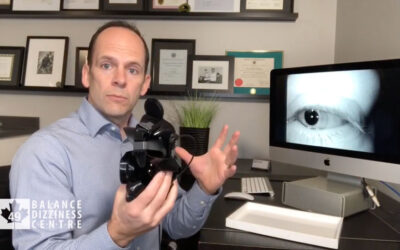
What is vertigo, and how is it treated?
It comes out of nowhere. The earth around you seems to tilt and sway and you feel like you might fall. Your stomach lurches. The lyrics from the the 1969 hit song by Tommy Roe aptly describe your state: “Dizzy, my head is spinning. Like a whirlpool it never ends..."...
Videos
All Physiotherapy Articles
Finger Pulley Injury – Common Climbing Injuries
Understanding Finger Pulley Injuries in Climbers — And How Physiotherapy Can Help Climbing demands a high level of strength, precision, and resilience—especially from your fingers. Among climbers, one of the most common injuries involves the finger pulleys, small but...

How to Calm Dizziness: Effective Strategies to Reduce Symptoms
If you are wondering how to calm dizziness caused by vestibular conditions such as PPPD, vestibular migraines, vestibular neuritis, or general motion sensitivity, you are not alone. Many people who come to North 49 struggle with dizziness that interferes with their...

Mommy Thumb: Why New Moms Get Wrist Pain and How to Fix It
Becoming a new mom is exciting, exhausting, and full of constant movement. If you’ve noticed pain on the thumb side of your wrist or forearm, you might be dealing with mommy thumb, a common condition for nursing mothers and parents who frequently lift and hold their...

How Exercise Helps Regulate Blood Sugar: A Practical Guide for Diabetes and Pre-Diabetes Management
Managing diabetes goes beyond medication and diet. Exercise plays a powerful role in regulating blood sugar and improving overall health. The same is true for those with pre-diabetes. In fact, regular movement can be one of the most effective ways to prevent...
Muscle Cramps: Causes & Relief
Understanding Muscle Cramps: Causes, Risk Factors, and Relief Strategies Muscle cramps—sudden, involuntary contractions of one or more muscles—can strike unexpectedly and range from mildly uncomfortable to severely painful. While most people experience cramps...
Worried About Alzheimer’s and Dementia? Here’s the Best Brain Booster We Know
More and more people are searching for ways to keep their brain sharp and lower their risk of Alzheimer’s and dementia which is great. However, word finds and sudoku may feel helpful, but the truth is they don’t do much to protect long-term brain health. The research...

Sciatica Treatment
In our last blog, we explained what sciatica is and how it feels different from other types of back pain. To quickly review: With sciatica, pain starts in the back and travels into the leg, and the leg pain is usually worse than the back pain. If your back pain is...
What is Sciatica & What Causes It?
If you’ve ever heard someone say, “I’ve got sciatica,” they are talking about a type of pain that comes from irritation of the sciatic nerve. Sciatica is different from regular back pain. If you truly have sciatica, the pain that travels down your leg is usually worse...
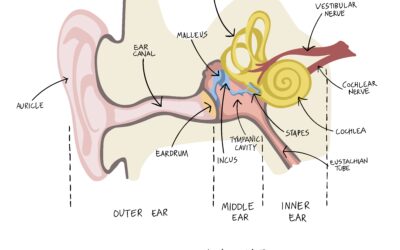
Your Inner Balance System: The Vestibular System and Dizziness
Have you ever spun around quickly and then felt like the room was still moving when you stopped? That sensation comes from your inner ear, or vestibular system, which plays a key role in balance and motion perception. When this system sends confusing signals, it can...