

If your thumb aches after gaming or scrolling for hours, you’re not alone. You might have Gamer’s Thumb, a modern form of De Quervain’s tenosynovitis, which is an irritation of the tendons that move your thumb.
These tendons run along the side of your wrist and pass through a narrow tunnel. When they’re used too much — like during long gaming sessions or heavy phone use — they swell, making every movement feel sore or stiff.
Common Gamer’s Thumb symptoms include: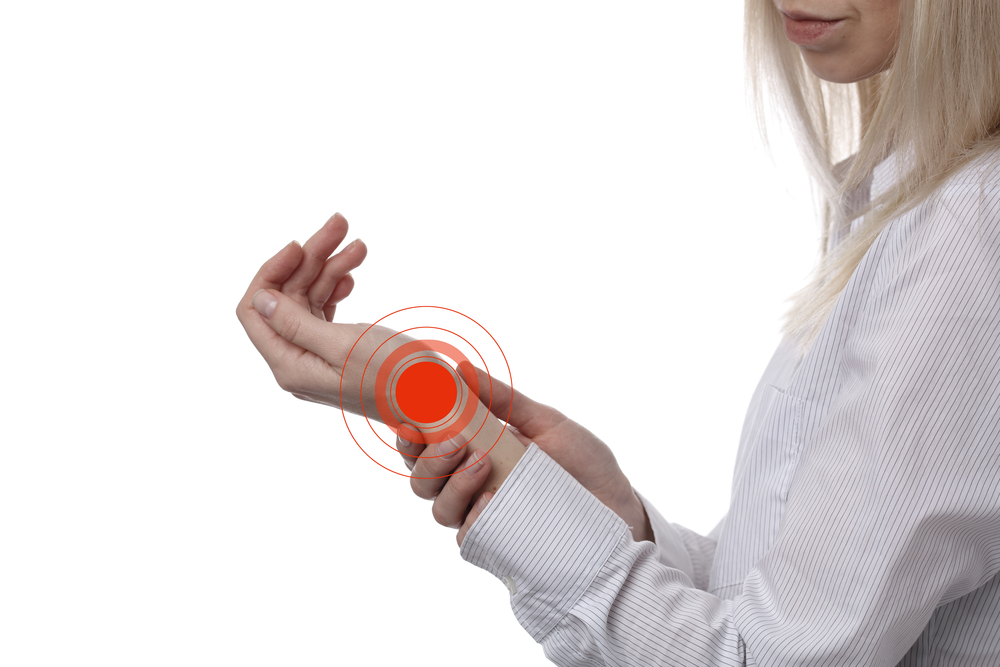
-
Pain or tenderness on the thumb side of your wrist
-
Swelling or a “clicking” feeling when moving your thumb
-
Pain that worsens when gripping or pressing buttons
How Common Is It?
With over 3 billion gamers worldwide, thumb and wrist pain are becoming more frequent. A 2025 study in the British Journal of Sports Medicine reported that more teens and young adults are developing Gamer’s Thumb after long mobile-gaming sessions.
Interestingly, this condition isn’t new as it’s been around for more than a century. It was once called “washerwoman’s thumb” or “texting thumb.” What’s changed is who gets it. The repetitive motions from gaming have replaced older workplace or household causes.
What Causes Gamer’s Thumb?
The main Gamer’s Thumb causes come from overuse and repetition. Mobile and console gaming involve:
-
Sustained thumb extension and abduction (moving the thumb up and out)
-
Fast, repetitive tapping or joystick use
-
Tight gripping of phones or controllers
Over time, this creates inflammation where the tendons slide through their sheath — especially on the radial side of the wrist, just below the thumb.
Researchers note that these newer strain patterns differ slightly from older forms of De Quervain’s tenosynovitis showing how the digital entertainment revolution has changed our thumbs’ workload.
How to Treat Gamer’s Thumb
Most people recover without surgery if the problem is caught early. Effective Gamer’s Thumb treatment includes:
-
️ Rest: Take gaming breaks every 30–45 minutes.
-
Ice: Apply an ice pack for 10–15 minutes a few times daily.
-
Brace: Use a thumb-spica splint to limit motion and support healing.
-
Stretch & Strengthen: A hand therapist can teach gentle exercises once pain improves.
-
Professional Help: If pain lasts or affects daily use, book a hand assessment early.
Prompt treatment prevents long-term problems and helps you return to gaming comfortably.
The Bottom Line
Gamer’s Thumb may sound new, but it’s simply an old problem with a modern twist. With today’s screen time and gaming habits, our thumbs are working harder than ever. Fortunately, early care and smart habits can make a huge difference.
If you’re dealing with thumb pain, wrist stiffness, or other hand issues, book a Hand Therapy Initial Assessment at North 49.
Call 306-343-7776 or book online anytime through our website 24/7 at your convenience.