
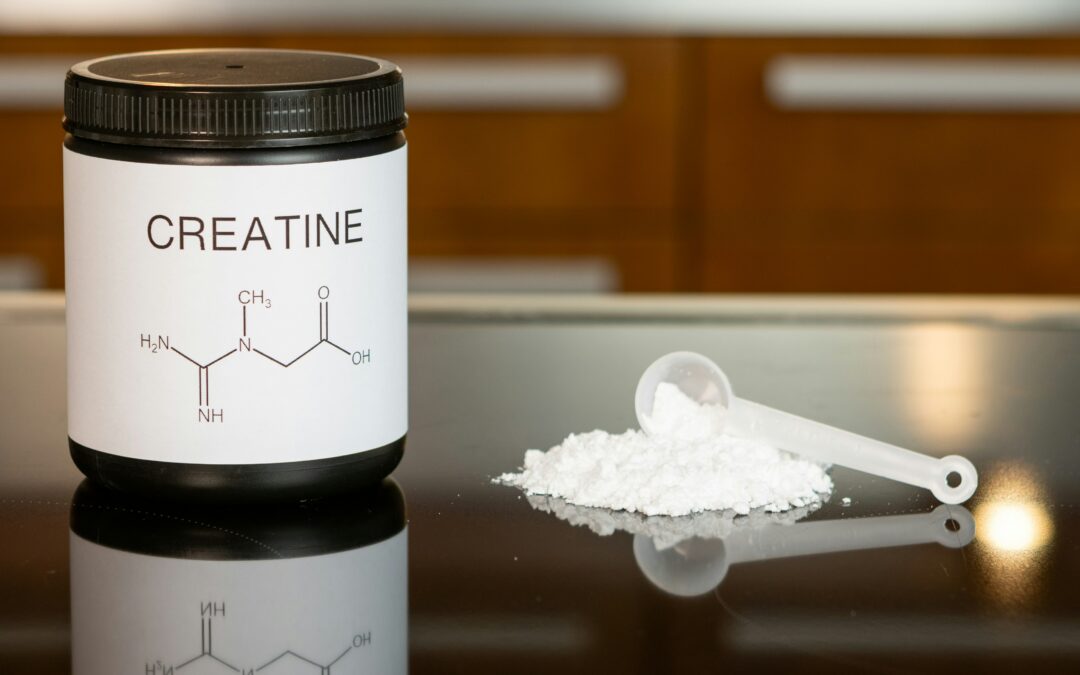
Creatine after a concussion is something many people ask about when they are trying to support their recovery. After all, when symptoms linger, it’s natural to look for anything that might help the brain heal. However, not every supplement that sounds promising actually improves recovery.
Because of this, it’s important to understand what creatine is, why people think it might help after a concussion, what research shows so far, and what truly matters most for recovery.
Quick Summary
-
Creatine helps the body make energy and is often used for muscle strength
-
Because it can enter the brain, researchers have studied it for brain health
-
Animal studies suggest it might protect brain cells
-
However, human studies have not shown clear benefits after a concussion
-
As a result, proven concussion care matters far more than supplements
What Is Creatine?
Creatine is a natural substance found in your muscles and brain. Your body makes some creatine on its own. In addition, you get small amounts from foods like red meat and fish.
Many athletes take creatine because it helps muscles produce energy during short, intense activity. Because the brain also needs energy to function, researchers began asking whether creatine after a concussion could support brain recovery as well.
Why Do People Talk About Creatine After a Concussion?
After a concussion, the brain experiences an energy problem. In simple terms, brain cells suddenly need more energy but struggle to make it efficiently.
As a result:
-
Brain cells work harder than usual
-
Energy supply can fall behind demand
-
Symptoms like headache, dizziness, brain fog, and fatigue can appear
Because creatine helps cells store and use energy, some scientists believe it might help brain cells handle stress after injury. Importantly, creatine can cross into the brain, which makes this idea possible in theory. That said, entering the brain does not automatically mean it improves healing.
Does Creatine After a Concussion Actually Help?
What studies suggest
In animal studies, creatine sometimes helps protect brain cells after injury. For example, researchers have seen less cell damage in carefully controlled lab experiments.
What we know in people
However, the picture changes when we look at human studies:
-
There is no strong evidence that creatine improves recovery after a concussion
-
Studies have not shown faster healing or fewer symptoms
-
Several studies are still ongoing, but results are not available yet
Because of this, creatine remains interesting but unproven.
Is Creatine Better Before or After a Concussion?
Some people wonder whether creatine works better if someone takes it before a concussion rather than after.
In theory:
-
Higher creatine levels before injury might help the brain manage stress
In contrast, real-world evidence tells a different story:
-
No human studies prove this idea
-
No research shows benefits from taking creatine before or after a concussion
For this reason, this idea remains theory, not fact.
Is Creatine Safe After a Concussion?
Creatine is generally safe for healthy adults. However, it is not appropriate for everyone.
For example:
-
People with kidney problems should be cautious
-
Supplements can interact with medications
-
Not all health care providers can recommend supplements
Because of this, it’s best to talk with a doctor, pharmacist, or dietitian before starting creatine after a concussion.
What Really Helps Concussion Recovery
Although supplements get a lot of attention, research shows that recovery depends most on:
-
Understanding your symptoms
-
Getting consistent, good-quality sleep
-
Gradually returning to activity
-
Managing stress
-
Getting help for dizziness, headaches, or neck pain
In contrast to supplements, these strategies have strong evidence behind them.
Bottom Line: Creatine After a Concussion
-
Creatine supports energy production in the body
-
Because it enters the brain, researchers continue to study it
-
However, there is no strong evidence that creatine improves concussion recovery
-
It may be safe for some people, but it is not a treatment
-
Ultimately, evidence-based care offers the best chance for recovery
If your symptoms are not improving, working with a concussion-trained health care provider can make a meaningful difference. If you live in Saskatchewan, you are welcome to book a Concussion Assessment with one of our team physiotherapists. Our clinicians have extensive experience managing concussion across all levels of sport and activity, having worked with athletes from the NFL, CFL, WHL, U Sports, as well as the “weekend warrior”.
References
Giraldo. Front Neurol. 2025.
Giza. The new neurometabolic cascade of concussion. Neurosurgery. 2014.
Tenforde. Curr Sports Med Rep. 2020.
Wyss. Creatine and creatinine metabolism. Physiol Rev. 2000.