
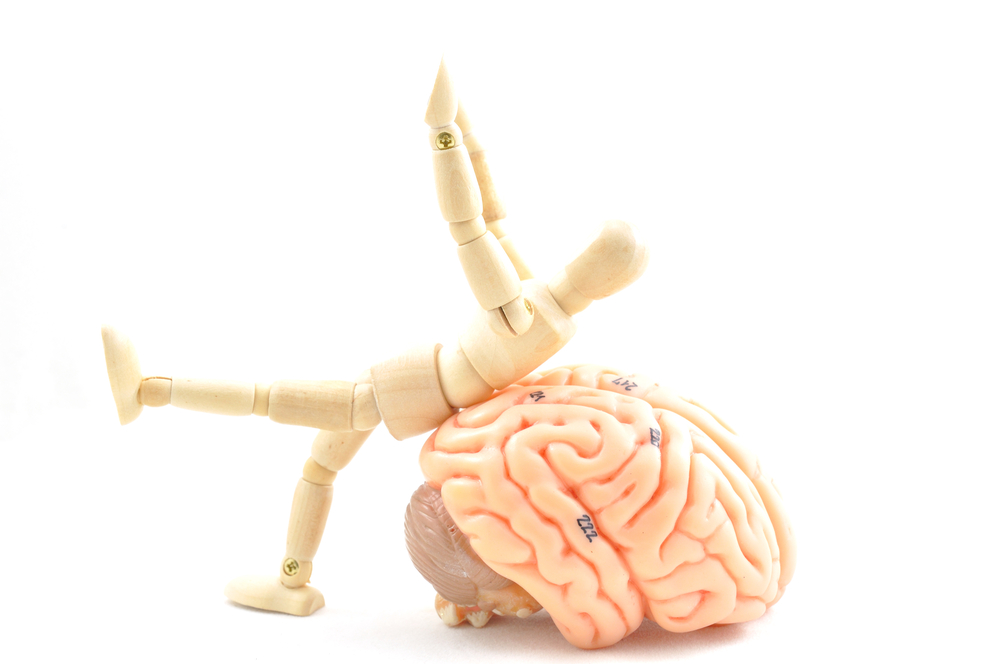
More and more people are searching for ways to keep their brain sharp and lower their risk of Alzheimer’s and dementia which is great. However, word finds and sudoku may feel helpful, but the truth is they don’t do much to protect long-term brain health.
The research is clear: two strategies stand out. Exercise and learning something you’ll be tested on—like a new language— are proven to strengthen your brain and protect it over time. And the best part? You don’t need to run marathons or spend hours in the gym. Even small amounts of movement can make a big difference.
How Exercise Helps Prevent Alzheimer’s and Dementia
Think of your brain like a garden. For a garden to thrive, it needs water, fertilizer, someone to pull the weeds, and strong root growth. Exercise gives your brain all of these:
-
More blood flow (the water): Movement gets your heart pumping and sends oxygen and nutrients to your brain, just like watering plants so they don’t dry up.
-
Brain fertilizer: Exercise triggers the release of special proteins called neurotrophic factors (like BDNF) that help brain cells grow strong and connect better.
-
Weed control: Regular movement reduces inflammation—one of the “weeds” that can damage brain pathways.
-
New branches: Exercise helps brain cells grow more connections (synapses – like a root system), making it easier to learn, remember, and solve problems.
When you exercise, you’re essentially watering, fertilizing, and protecting your brain’s garden, keeping it healthy and resilient against conditions like Alzheimer’s and dementia.
The Science: Exercise Improves Memory and Thinking
A massive review study published in the British Journal of Sports Medicine in 2025, covering 133 systematic reviews and more than 258,000 people, showed that exercise:
-
Improved general thinking skills
-
Boosted memory
-
Strengthened planning and decision-making skills (executive function)
And here’s the encouraging news: these benefits were seen even with light exercise like walking, yoga, or Tai Chi.
Alzheimer’s and Dementia Prevention Takes Discipline
We all know healthy habits like exercise, good food, and sleep hygiene aren’t always easy to stick with. But the payoff is huge:
-
Better energy and focus now
-
A sharper mind later
-
Lower risk of Alzheimer’s and dementia
-
More years to enjoy retirement without relying on medications and their side effects
Unlike pills, exercise, nutritious food, and quality sleep have no long-term downsides.
Where to Start
-
Take small steps. Even a 10-minute daily walk makes a difference.
-
Pick something fun. Dance, garden, bike, or play a sport. It all counts.
-
Challenge your brain. Pair exercise with learning a new skill or language for even more benefits.
-
Stay consistent. Just like investing, the benefits start to payoff over time.
Final Word: Protect Your Brain Against Alzheimer’s and Dementia
Exercise really is the closest thing to a “magic pill” for brain health. It waters your brain, fertilizes it, and keeps the weeds away. Even a little bit, done regularly, helps keep your mind sharp and lowers your risk of Alzheimer’s and dementia.
If a health condition is holding you back from exercising, or you’re unsure where to begin, don’t hesitate to ask for help. Physiotherapists and kinesiologists are trained to get you moving safely and effectively. And if you live in Saskatchewan, our team at North 49 would be happy to help, both in-person and virtually.
Your brain will thank you today and for years to come.