
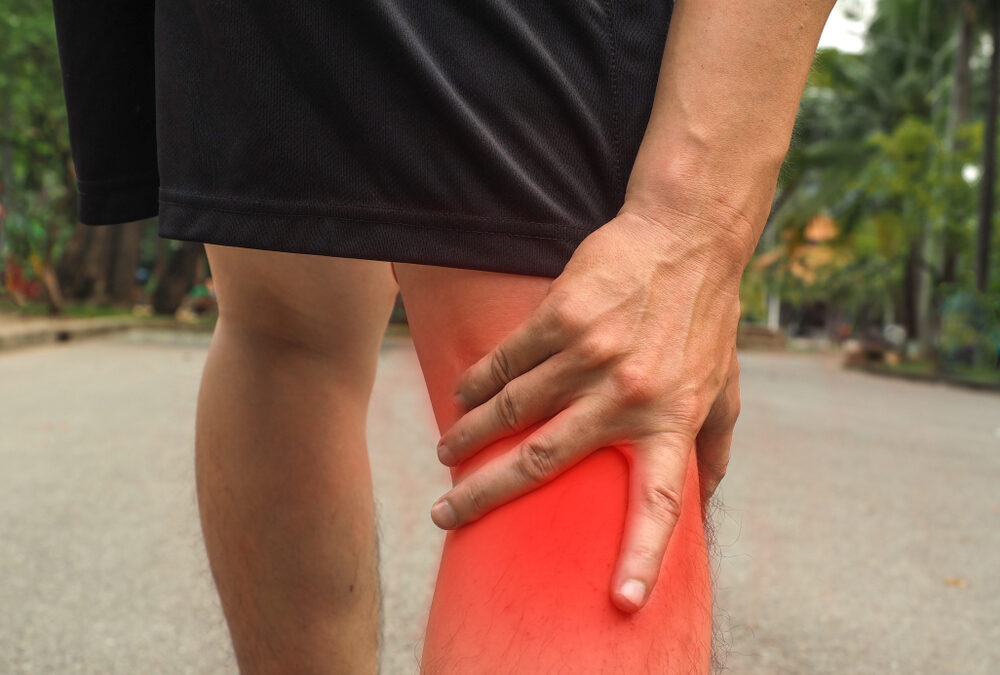
If you’ve ever heard someone say, “I’ve got sciatica,” they are talking about a type of pain that comes from irritation of the sciatic nerve. Sciatica is different from regular back pain. If you truly have sciatica, the pain that travels down your leg is usually worse than any pain in your back, buttock, hip, or groin.
Sometimes other problems like an irritated disc, joint, or muscle can send pain down into your leg. But if the sciatic nerve isn’t involved, this pain is called referred pain, not sciatica. With referred pain, the discomfort in your leg is not as strong as the pain in your back.
Let’s break it down so you can better understand what sciatica really is.
A Quick Look at Your Back Anatomy
Your lower back, also called the lumbar spine, is built kind of like a stack of blocks with cushions and wiring:
-
Vertebrae – The bones in your spine that form the “stack.” They protect your spinal cord.
-
Discs – Soft cushions between the bones that act like shock absorbers.
-
Facet joints – Small joints at the back of the spine that let the bones move smoothly.
-
Nerves – Branching out from the spinal cord are nerves, including the sciatic nerve, the largest nerve in your body. It runs from your lower back, through your buttocks, and down your legs.
-
Sacroiliac (SI) joint – The joint where your spine connects to your pelvis.
What Does Sciatica Feel Like?
People with sciatica often describe:
-
Sharp, shooting pain down the leg.
-
Numbness, tingling, or weakness in the leg or foot.
-
Pain that is worse in the leg than in the back.
This is what makes sciatica different from most other types of back pain.
What Causes Sciatica?
Even though doctors and scientists know much more about the back today and we can see it more clearly with tests like MRIs, sciatica remains one of the most common and frustrating problems people face.
Here are the main causes:
Lumbar disc herniation (slipped disc): The most frequent cause. A bulging or herniated disc presses on a nerve root in the lower spine.
Lumbar spinal stenosis: This can be caused by a bulging disc and/or bone spurs that make the canal where the nerve root comes out smaller. Given that the opening is smaller the nerve can become pinched.
Spondylolisthesis: One vertebra slips forward over another, compressing a nerve.
Piriformis syndrome: The piriformis muscle in the buttock spasms or tightens and compresses the sciatic nerve.
Trauma or injury: Fractures, pelvic injuries, or direct nerve injury can trigger sciatic pain.
Tumors or cysts (rare): Growths near the spine or along the nerve path can compress it.
Why Sciatica Matters
Sciatica isn’t just an “ache.” It can stop people from sleeping, working, playing sports, or even sitting comfortably. It is one of the biggest musculoskeletal conditions (problems with muscles, joints, and bones) that lowers quality of life for many people.
What’s Next?
In this blog we’ve explained what sciatica is, how it feels, and the main causes. In our next blog, we’ll go over treatment options for sciatica including things you can do at home and how healthcare professionals may help.
If you think you have sciatica, remember: true sciatica usually means the pain in your leg is worse than the pain in your back. If your back pain is worse, it might be another cause of referred pain. Either way, getting the right information and help is the first step toward feeling better.
Ready to Get Help for Sciatica?
Book your assessment today with one of our experienced physiotherapists at North 49 Physiotherapy. Call us at 306-343-7776 or book online to schedule your appointment and start getting back to the activities you love.