
A fall on an outstretched hand—often called a FOOSH injury—is one of the most common ways people injure their wrist and hand. It can happen during sports, slips on wet surfaces, cycling accidents, or simply tripping while walking. Because the hand and wrist take the full force of the fall, a wide range of injuries can occur, from mild sprains to fractures.
Understanding the possible injuries, their symptoms, and how physiotherapy can help is key to a safe and effective recovery.
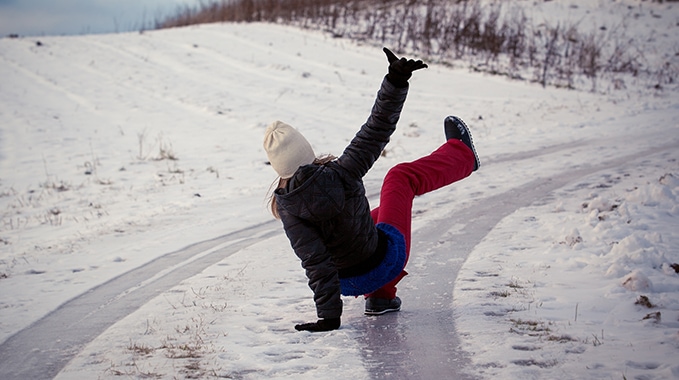
Image from: Injuries to the Upper Extremity Due to Falls on Outstretched Hands. https://www.jucm.com/injuries-upper-extremity-due-falls-outstretched-hands-foosh/
Common Wrist and Hand Injuries After a FOOSH
1. Wrist Sprains and Ligament Injuries
A wrist sprain occurs when the ligaments that support the wrist are stretched or torn.
Common examples include:
-
General wrist ligament sprains
-
Scapholunate ligament injuries (a key stabilising ligament in the wrist)
Signs and symptoms:
-
Pain with movement or gripping
-
Swelling around the wrist
-
Reduced range of motion
-
A feeling of weakness or instability
2. Fractures
FOOSH injuries are a common cause of fractures in the wrist and hand.
Common fracture sites include:
-
Distal radius fracture (one of the most common wrist fractures)
-
Scaphoid fracture (a small bone on the thumb side of the wrist)
-
Metacarpal or finger fractures
Signs and symptoms:
-
Immediate pain after the fall
-
Swelling and bruising
-
Difficulty moving the wrist, hand, or fingers
-
Pain that doesn’t improve over a few days
Some fractures, especially scaphoid fractures, may not show severe symptoms and can go undiagnosed on x-rays at first but still need medical attention.
3. Tendon Injuries
Tendons connect muscles to bones and help control hand and wrist movement. A FOOSH can strain or inflame these structures.
Signs and symptoms:
-
Pain with specific movements
-
Tenderness along the tendon
-
Swelling
-
Stiffness, especially after rest
4. Nerve Injuries or Compression
The impact from a fall can irritate or compress nerves in the wrist, such as the median or ulnar nerve.
Signs and symptoms:
-
Tingling or numbness in the fingers
-
Pins and needles sensations
-
Weak grip strength
-
Burning or shooting pain
5. Bruising and Soft Tissue Injuries
Not all FOOSH injuries involve serious damage, but soft tissue injuries can still be painful and limit function.
Signs and symptoms:
-
Localised pain
-
Swelling
-
Bruising
-
Temporary stiffness
How a Physiotherapist Can Help
Physiotherapy plays a crucial role in recovery after a wrist or hand injury—whether the injury is managed conservatively or following a fracture or surgery.
Assessment and Diagnosis Support
A physiotherapist will:
-
Assess movement, strength, and function
-
Identify problem areas contributing to pain or stiffness
-
Recognize signs that may require further medical investigation
Pain and Swelling Management
Physiotherapists use evidence-based techniques such as:
-
Activity modification advice
-
Gentle movement exercises
-
Education on safe use of the hand and wrist
-
Taping when appropriate
- Bracing and Splinting – Custom available in clinic as appropriate
Restoring Movement and Strength
As healing progresses, treatment may include:
-
Range-of-motion exercises to reduce stiffness
-
Strengthening exercises for the wrist, hand, and forearm
-
Grip and functional training for daily tasks
Improving Function and Preventing Re-Injury
Physiotherapy also focuses on:
-
Improving coordination and control
-
Gradually returning to sport, work, or daily activities
-
Education on fall prevention and wrist protection strategies
When to Seek Help
If you have ongoing pain, swelling, weakness, or difficulty using your hand or wrist after a fall, it’s important to seek assessment. Early physiotherapy intervention can help speed up recovery, reduce complications, and get you back to your normal activities safely. Book an assessment at North 49 Therapy today.