
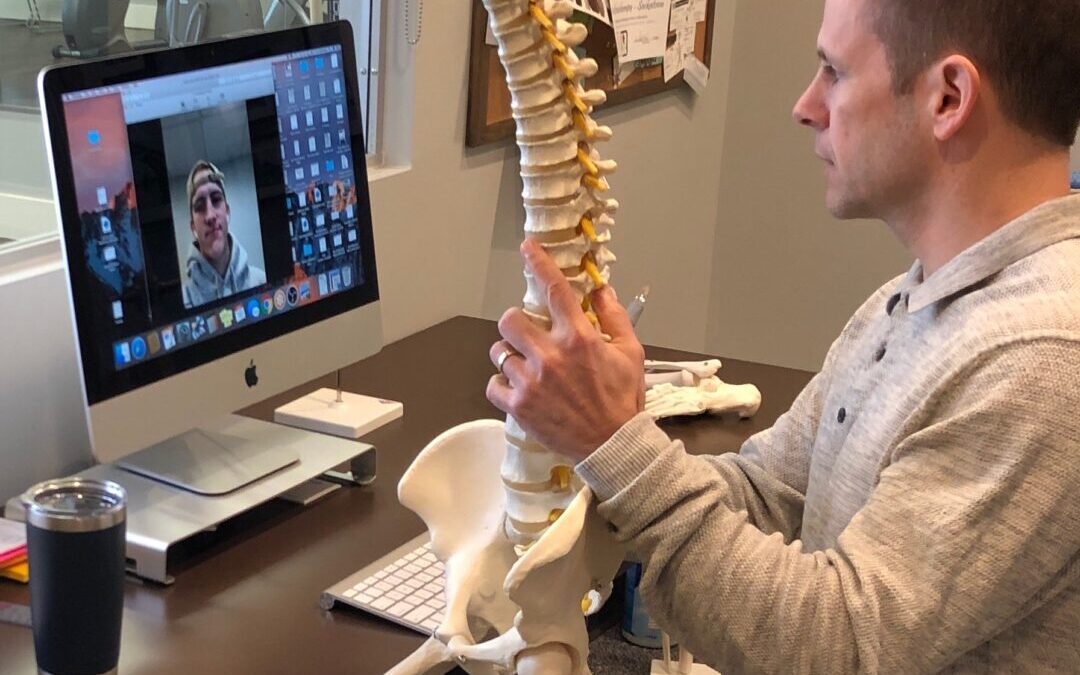
In a province as large and diverse as Saskatchewan, many people living in rural and northern areas face significant challenges accessing physiotherapy. Long travel distances, harsh winter road conditions, limited public transportation, and a shortage of local services often lead to delayed or missed care. Virtual physiotherapy — also called telerehabilitation or virtual physio — is changing that reality by making care more accessible, consistent, and safe for all Saskatchewan residents.
For more information on virtual sessions, visit North 49 Therapy’s Virtual Physiotherapy page.
What Is Virtual Physiotherapy
Virtual physiotherapy delivers assessment, exercise instruction, monitoring, and education remotely using secure video or phone technology. It allows physiotherapists to observe movement, provide feedback, and adjust treatment plans in real time — without the patient needing to travel.
At North 49 Therapy, our licensed physiotherapists can provide virtual assessments tailored to your needs, helping you recover safely from the comfort of your home.
Benefits for Rural and Northern Populations in Saskatchewan
1. Improved Access and Equity
Northern Saskatchewan covers about half of the province’s land area but is home to only around three percent of its population — roughly 36,000 people. Many residents live hours from the nearest physiotherapy clinic. Virtual physiotherapy eliminates these geographic barriers by connecting patients to specialists regardless of location.
2. Continuity of Care During Harsh Weather
Saskatchewan winters bring snowstorms, icy roads, and freezing temperatures that make travel risky. Virtual sessions keep rehabilitation on track even when driving conditions are unsafe. Rather than canceling or postponing care, patients can attend follow-up appointments or reassessments from home, maintaining progress through consistent treatment.
North 49 Therapy offers flexible scheduling for virtual appointments, ensuring you can stay on track no matter the weather.
3. Flexibility and Convenience
Virtual appointments remove the stress and time associated with commuting to a clinic. Scheduling is easier around work, family, or personal commitments. For those recovering from injury or surgery, it also means less physical strain getting in and out of vehicles during winter or on rough rural roads.
4. Cost Savings for Patients and the Health System
Reducing travel means fewer expenses for fuel, vehicle maintenance, parking, and potential overnight stays. It also decreases time away from work and eliminates the need to arrange child or eldercare during appointments.
5. Enhanced Engagement and Home-Based Care
Virtual physiotherapy allows therapists to assess patients within their actual home environments. This helps them recommend exercises tailored to real-life conditions — such as stairs, flooring, and available equipment.
Patients also tend to feel more comfortable in their own spaces, leading to better adherence to exercises and greater involvement in their recovery.
6. Reducing Emergency Room and Walk-In Clinic Visits
For dizziness or vestibular pathology, virtual physiotherapy is particularly valuable in triaging patients experiencing new dizziness, imbalance, or unusual symptoms. Our Physiotherapists can conduct thorough assessments virtually to rule in or rule out serious pathology, helping determine whether an urgent ER or walk-in visit is necessary.
This approach helps relieve pressure on emergency departments and walk-in clinics while ensuring patients receive timely guidance and reassurance.
Limitations and Considerations
While virtual physiotherapy offers many advantages, it isn’t a complete substitute for all in-person care. Some manual techniques, such as joint mobilization or certain soft-tissue treatments, must still be performed face-to-face.
Reliable internet access can also be a challenge in rural and northern communities. Patients without high-speed internet or appropriate devices may need support to participate effectively.
Virtual physiotherapy works best when combined with occasional in-person assessments. A hybrid model — using both virtual and in-clinic sessions — ensures comprehensive and personalized care.
Final Thought
Virtual physiotherapy is helping Saskatchewan close the distance gap between patients and quality care. For rural and northern residents, it provides an effective, safe, and flexible alternative to traditional clinic visits — particularly during severe weather or when travel is difficult.
By offering timely assessment for musculoskeletal injuries and the ability to screen for new onset dizziness or imbalance, virtual physiotherapy can also reduce unnecessary emergency room or walk-in clinic visits, easing the burden on healthcare services while keeping patients safe.
With continued expansion of technology, broadband access, and tele-health adoption, virtual physiotherapy empowers Saskatchewan residents to stay consistent with recovery — no matter where they live or how harsh the winter gets.
For more information, explore North 49 Therapy’s Virtual Physiotherapy Services.